|
 |
Home page
Elsa Hamaz BSc(Hons) MNIMH
_________________________________________________________________________________
|
 |
|
What is herbal medicine?
Herbal medicine, or Phytotherapy, is the oldest form
of medicine known. The modern medical herbalist is a natural physician trained in medical sciences and traditional herbal
practices.
Herbal medicines are whole-plant extracts containing many active constituents which act synergistically
to support the body's own complex ability to heal itself. Herbal medicine, unlike conventional medicine, does not only treat
symptoms, but targets the underlying causes of ill-health.Every prescription is individually tailored to the particular physical,
emotional and spiritual needs of a person.
Herbs are effective in the treatment of both acute and chronic health conditions,
and are suitable for all ages.
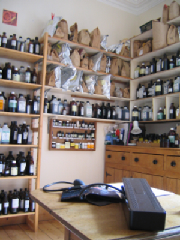
| Dispensary |
|
|
| and consulting room |

|
|
 |
 |
Herbal medicine has been successful
in treating: |
- Skin problems
eczema, acne, skin infections, psoriasis
- Digestive disorders
peptic ulcers, colitis, irritable bowl syndrome, indigestion
- Heart / circulatory problems
angina, high blood pressure, varicose veins, varicose ulcers
- Urinary and men's health problems
cystitis, urethritis, prostate problems
- Gynaecological conditions
pre-menstrual syndrome, menstrual irregularities, polycystic ovary, endometriosis, menopausal problems
- Pregnancy and birth care
- Allergic responses
hay fever, asthma
- Infections
tonsillitis, influenza, coughs, bronchitis
- Arthritis
- Sleep problems
- Headaches and Migraines
- Stress related conditions
- Side effects of conventional drug therapies
Under the supervision of a qualified practitioner, herbal medicines constitute
a valuable alternative to synthetic drugs, but can also effectively complement orthodox drug treatments. |
|
|
 |
|
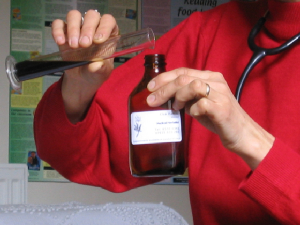
| Dispensing liquid herbal extracts |
|
|
| Each herb at the right therapeutic dose |
|
|